
BFOA Commemorates the 25th Anniversary of 9/11
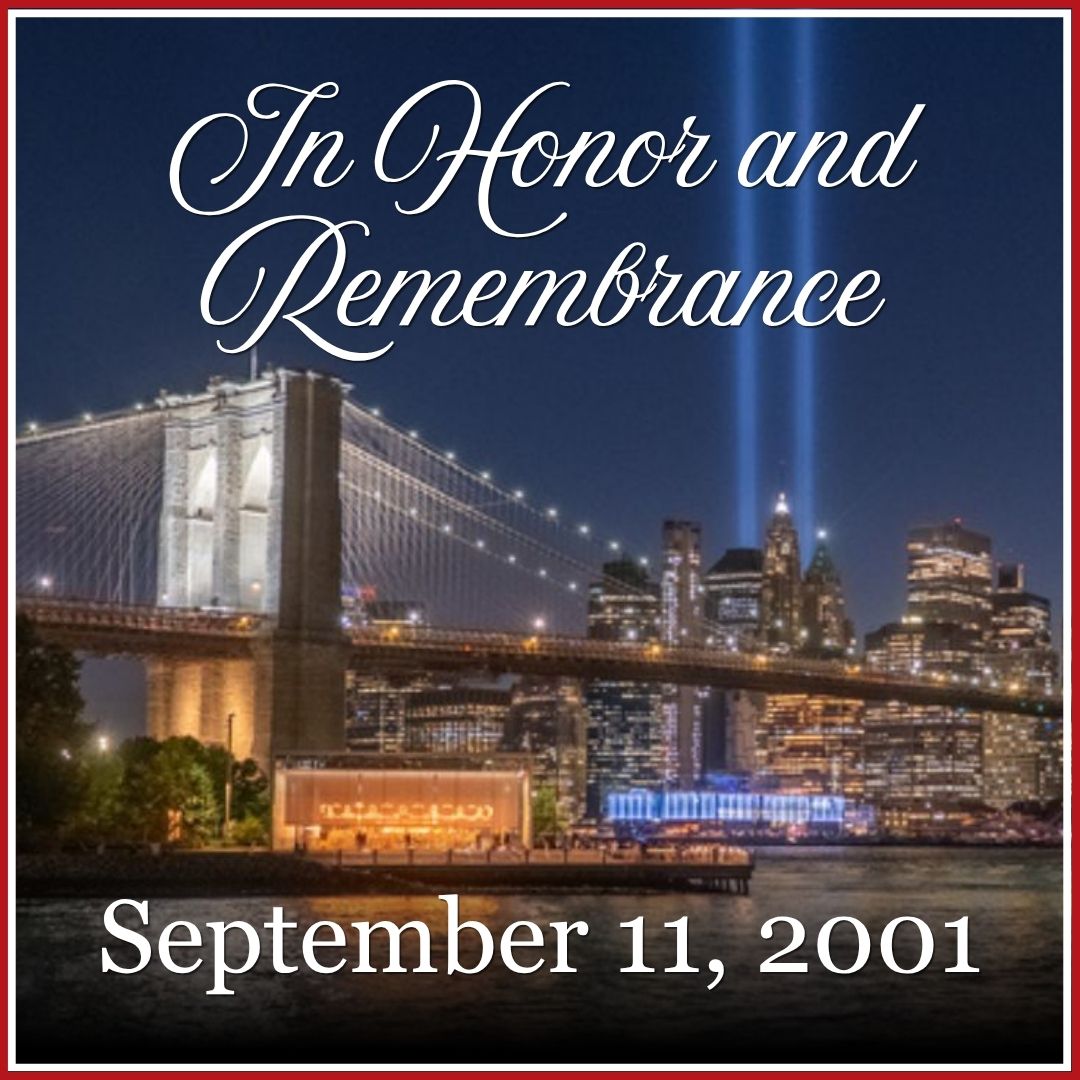
Broadcasters Foundation of America Presents:
Moments and Memories from September 11, 2001
The events of September 11, 2001 left an indelible mark on our nation and on our industry. But from that unimaginable tragedy emerged something powerful: a broadcasting community more united, more resilient, and more committed to one another than ever before. We were reminded that day—and every day since—that we are first and foremost a community. We show up for each other. We support each other. And we never forget those we have lost.
BFOA Salutes 9/11 Broadcast Engineers
Six Lives Lost in Service to Broadcasting
On September 11, 2001, broadcast engineers were on duty high in the North Tower of the World Trade Center—some arriving for the morning shift, others still there from the night before. Their job was the same as every other day: keep the transmitters running and the signal on the air.
When American Airlines Flight 11 struck 1 World Trade Center at 8:46 a.m., six of those engineers were at their posts. In the chaos that followed, as emergency calls flooded switchboards and Americans across the country turned desperately to their televisions and radios for information, these engineers stayed. Some made final calls to their control rooms. Some were heard from no more. All six perished when the tower collapsed at 10:28 a.m.
What unfolded in those hours was one of the most extraordinary moments in the history of American broadcasting. Radio and television did not fail the public that day—they became the lifeline of a nation in shock. Anchors and reporters went on air and stayed there. Local stations and networks broadcast continuously, without commercial interruption, for days.
Radio stations across the country delivered uninterrupted coverage to millions who could not get to a screen. Television cameras captured history as it happened, and the images they transmitted—the towers, the smoke, the faces—became the shared visual memory of a generation.
None of that would have been possible without the engineers who built and maintained the infrastructure, who climbed the towers every day and made sure the transmitters were running. They were the unseen foundation beneath every broadcast.
On this 25th anniversary, the Broadcasters Foundation of America honors the six engineers who gave their lives on September 11, 2001. They were our colleagues, our community, and our brothers in broadcasting. Their sacrifice will never be forgotten.
In Memoriam
Donald (Don) DiFranco, WABC-TV • Brooklyn, NY
A proud member of the WABC-TV engineering team for over 13 years, Don was known for his professionalism and deep commitment to his craft. His colleagues remember him as someone who showed up every day with purpose and pride. On September 11, after the tower was pierced, he called the control room to report that service might be disrupted—a final act of duty before all transmissions ceased at 10:28 a.m. The BFOA honors Don for his years of service to the broadcasting community and to the city he loved.
Gerrard “Rod” Coppola,
WNET Channel 13 • New Providence, NJ
An antenna engineer at WNET Channel 13, New York’s flagship public television station, Gerrard’s work supported programming that educated, enlightened, and enriched the lives of millions. Public television depends on engineers of Gerrard’s caliber—those who bring skill, care, and quiet dedication to every broadcast. The Broadcasters Foundation of America salutes Gerrard Coppola, a vital contributor to public media and a valued member of our broadcasting family.
Isaiah Rivera,
WCBS-TV Channel 2 • Perth Amboy, NJ
Part of the engineering team at WCBS-TV for 30 years, Isaiah’s technical expertise helped keep one of the nation’s premier television markets on the air day after day. He was among the essential broadcast professionals whose work made live television possible—the person who ensured that when a camera came on and a microphone opened, the signal went through. The Broadcasters Foundation of America honors his memory and his legacy of service.
William Steckman, WNBC • West Hempstead, NY
An engineer at WNBC for 35 years, Bill tended the network’s transmitter in 1 World Trade Center, working the night shift for most of his career. No wild weather—lashing hailstorms, passing hurricanes, or lightning strikes—gave him pause, because he was so confident in the strength of that building. His contributions to WNBC and to New York broadcasting reflected the best of our industry. The BFOA remembers him with deep respect and enduring gratitude.
Steve Jacobson, WPIX • New York City
A transmission engineer at WPIX for 22 years, Steve worked on the 110th floor of the North Tower, keeping the station on the air no matter what happened. Engineers like Steve were the reason broadcasts happen—the builders, the problem-solvers, the men who made the impossible look seamless. The Broadcasters Foundation of America honors Steve Jacobson and the lasting imprint he left on the station and the people who worked alongside him.
Robert “Bob” Pattison, WCBS-TV • Woburn, Massachusetts
Robert Pattison served as Maintenance Transmitter Supervisor at WCBS-TV, a role that placed him at the very foundation of the station’s ability to broadcast. His technical stewardship ensured the signal never faltered—that the journalists and talent of WCBS could do their work and that millions of viewers could depend on what they received. The Broadcasters Foundation of America remembers Bob Pattison with honor and gratitude for a career given fully to his craft.
You can read more about these heroes in
Radioworld.
A View from a General Manager
by Scott Herman, former President, CBS Radio
9/11/01...a date that is forever etched in my mind and soul.
I was the VP/General Manager of New York’s All News radio station...1010 WINS, at that time, the most listened-to station in the Country. I was also the former News Director of the station, but nothing prepared me for what was to unfold that horrific day.
When the first plane hit the South Tower around 8:45 in the morning, we actually had our first on scene report from one of our top salespeople, Joan Fleischer. She lived in Lower Manhattan and was reporting on what she saw from the rooftop of her building.
Every radio station in NYC was in wall-to-wall coverage, comforting New Yorkers as only radio can. Listeners’ favorite people to listen to were actually holding their hands through the radio. Every format, every station...WCBS, WABC, WOR, Z-100, WPLJ, Howard Stern. Music stations only played somber music that didn’t talk about death or destruction. Talk stations talked. News stations reported. But 1010 WINS is New York’s station of record. The place people turn to when they hear of disaster. Our calling was never more important or tested.
We initially had to resist reporting our worst fear...terrorism. Once it became clear, we realized that we were living through the worst terrorist attack on domestic soil in the Nation’s history.
The Twin Towers crumbled to the ground, cell phones weren’t working, and people were running for their lives. Our main job that day was to report the facts as they unfolded. Not only in NY but in Washington at the Pentagon and in Pennsylvania where other planes went down. We did it brilliantly and flawlessly, and so did our Radio brethren. My memory at the end of that day as I drove home to New Jersey around 9:00 pm and headed towards the Holland Tunnel, was that the NY Skyline would never be the same without those two towers.
I saw New Yorkers rallying like never before. A city unified by acts of terrorism. I saw Firefighters, Police Officers, and EMS workers applauded when they walked down the street or rode a train. I saw people stopping to ask people if they were okay. I saw people waiting at suburban train stations to see if their loved ones would come home.
One lasting memory, etched in my brain, is when WINS Ace Reporter John Montone returned to the radio station around 3:00 in the afternoon, covered in soot, joined by a man whom he had met at Ground Zero. The man said he was too afraid to be alone, and John was kind enough to stay with him and take him back to the station.
Twenty-five years later, I remain extremely proud of the work of the men and women of 1010 WINS and the role that all of New York radio played in comforting New Yorkers and helping our city heal in the days and weeks following.
Inside a Television Studio
by Chad Matthews, President, ABC Local Television
Twenty-five years since the 9/11 terror attacks. For me, it does seem like that much time has passed, but also the haunting images from that day are etched in my mind forever.
September 10, 2001, it was a Monday, and I was producing the 11 pm news at WABC-TV. Monday Night Football was an especially late game, and we went on well after midnight. Every night the director asked Sam Champion what live picture he wanted to see in his weather segment. That night Sam picked the camera that showed the Twin Towers. That was likely the last live image of the World Trade Center until the next day when the planes struck the towers.
I didn’t get to sleep until after 2 am. I was living on West End Avenue, and the next morning I was awakened by sirens. Not unusual for Manhattan, but what was strange was that they didn’t stop, one emergency vehicle after another. I figured something was up and turned on the radio on my nightstand to 1010 WINS. Yes, this was before we slept next to our cell phones. I heard anchors Lee Harris and Judy DeAngelis talking about a plane that had struck the World Trade Center, leaving a gaping hole in the building. I quickly turned on my TV and saw the image they were describing. I jumped out of bed, threw on jeans and a T-shirt, and literally ran to Channel 7. I lived close to the station and got there quickly. When I walked into the newsroom, I was told the second tower was also hit, as well as the Pentagon.
My heart sank. An already horrible story took on a whole new dimension. And the worst of it - WABC engineer Don DiFranco was inside the World Trade Center manning the WABC transmitter at the top of the North Tower. We didn’t know it in that moment, but he had not made it out.
Stunned, I was immediately sent to the control room where I remained for most of that week. It was terrifying as there was a period of time we could not reach our field crews who were in Lower Manhattan. Luckily, Nextels - a walkie talkie type of device - were still working. We regained communication. Thankfully, there were no more major injuries.
As I look back, those images from the control room monitors of mass destruction, injured people walking around covered in dust, the heartbreak of people looking for loved ones - the magnitude was just incomprehensible. Each night that week I would go home and try to make sense in my mind of what we had put on television all day.
Many thought NYC would never recover from the worst terror attack on U.S. soil but of course the city did. As many have said, you never bet against New York City.
My heart goes out to all the victims in Lower Manhattan on September 11th and their families who have spent 25 years now without their loved ones.
A Journalist Honors 9/11 Heroes
by Tim Scheld, former News & Program Director, WCBS NewsRadio
This year marks the 25th anniversary of the September 11th attacks. Much of the nation will pause and remember what it was like to live through that day when hijacked airliners crashed into the Twin Towers of the World Trade Center, the Pentagon, and a field in western Pennsylvania. For more than a third of the country, they will merely observe one of history’s darkest days because they were either too young to remember or weren’t born yet. As time marches on, the memory of a day that defined generations becomes more distant.
What we should never forget is that September 11th was both one of the worst and one of the best days in our nation’s history. It was one of the worst for the 2,977 innocent lives lost. It was one of the best because we saw selfless sacrifice from so many — police, firefighters, and ordinary citizens who gave their own lives in the hopes of saving others. It is a remarkable story, and one that would not be fully told if not for the hundreds of courageous journalists in New York, Washington, D.C., and Pennsylvania who rushed toward the chaos and danger to cover the story.
As we mark this day and pass on the stories of those 9/11 heroes, we should remember the journalists who watched it all unfold and brought the story to Americans across the country. The heroes of that day were the firefighters, police, and emergency workers who ran into danger — and also the members of the media who stayed close enough to make sure those stories would be told. It has been said that news is the first rough draft of history. Twenty-five years later, we honor the first responders who ran into the towers — and the journalists who bore witness, so the rest of us would never forget.
A Journalist Honors 9/11 Heroes
by Tim Scheld, former News & Program Director, WCBS NewsRadio
This year marks the 25th anniversary of the September 11th attacks. Much of the nation will pause and remember what it was like to live through that day when hijacked airliners crashed into the Twin Towers of the World Trade Center, the Pentagon, and a field in western Pennsylvania. For more than a third of the country, they will merely observe one of history’s darkest days because they were either too young to remember or weren’t born yet. As time marches on, the memory of a day that defined generations becomes more distant.
What we should never forget is that September 11th was both one of the worst and one of the best days in our nation’s history. It was one of the worst for the 2,977 innocent lives lost. It was one of the best because we saw selfless sacrifice from so many — police, firefighters, and ordinary citizens who gave their own lives in the hopes of saving others. It is a remarkable story, and one that would not be fully told if not for the hundreds of courageous journalists in New York, Washington, D.C., and Pennsylvania who rushed toward the chaos and danger to cover the story.
As we mark this day and pass on the stories of those 9/11 heroes, we should remember the journalists who watched it all unfold and brought the story to Americans across the country. The heroes of that day were the firefighters, police, and emergency workers who ran into danger — and also the members of the media who stayed close enough to make sure those stories would be told. It has been said that news is the first rough draft of history. Twenty-five years later, we honor the first responders who ran into the towers — and the journalists who bore witness, so the rest of us would never forget.
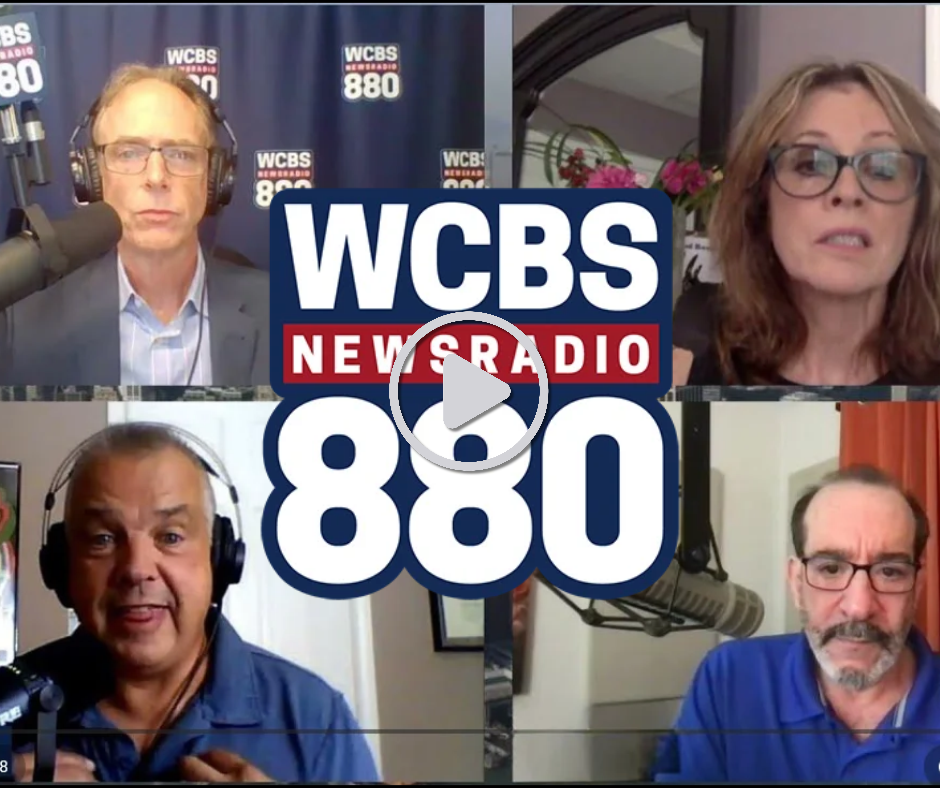
WCBS Journalists Reflect on 9/11 on the 20th Anniversary
Wayne Cabot assembled the team that was on-air when we were attacked on September 11, 2001, including Pat Carroll, Jeff Caplan, Tom Kaminski and Sean Adams, to discuss what it was like covering 9/11.
Watch here.
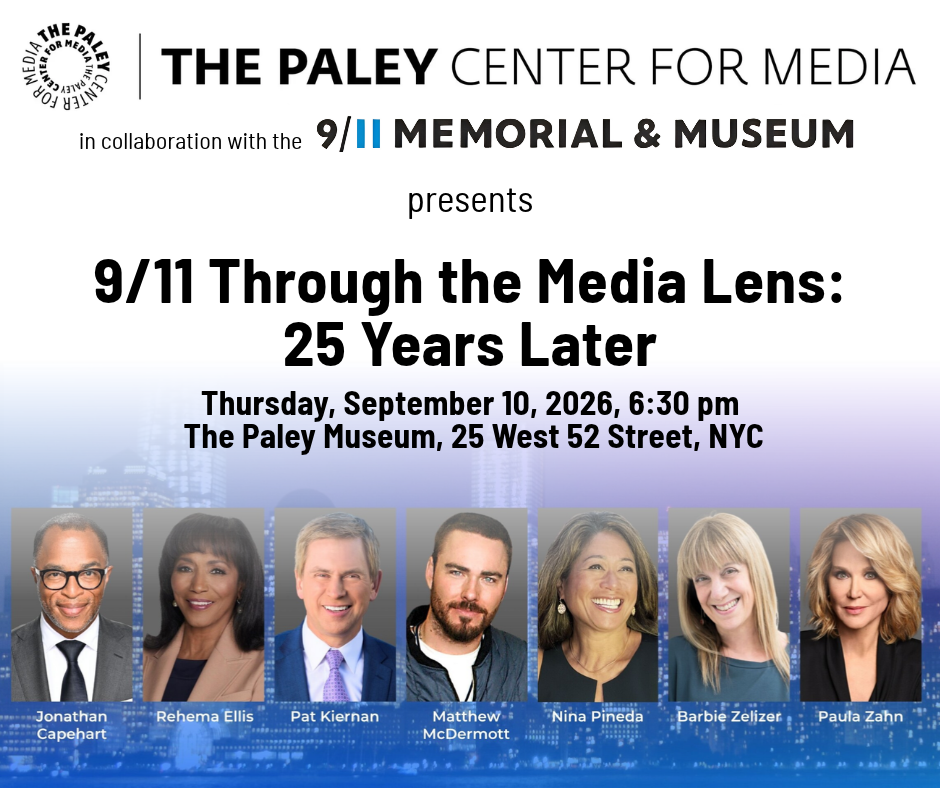
PaleyImpact | 9/11 Through the Media Lens: 25 Years Later
To honor this milestone, The Paley Museum and the National 9/11 Memorial & Museum are bringing together journalists, historians, and photographers to discuss how the story was told, how coverage has evolved, and why firsthand accounts still matter.
Register
here.
About the Broadcasters Foundation of America:
The mission of the Broadcasters Foundation of America is to improve the quality of life of radio and television broadcasters and their families who find themselves in financial need. The BFOA provides support to our colleagues through medical and disaster relief grants, scholarship programs, and community outreach events that celebrate our community and grow our mission. The Broadcasters Foundation of America is a 501(c)(3) Public Charity and has received Four Stars from Charity Navigator and a Platinum Seal of Transparency from Candid/Guidestar, the highest rating offered by both organizations. For more information about the BFOA, including how to donate or apply for assistance, visit www.broadcastersfoundation.org or contact info@thebfoa.org or 212-373-8250.
Media Contact:
Renee Cassis
Marketing & Publicity Strategist
WABC Radio | Red Apple Media
renee.cassis@wabcradio.com
646-808-6505